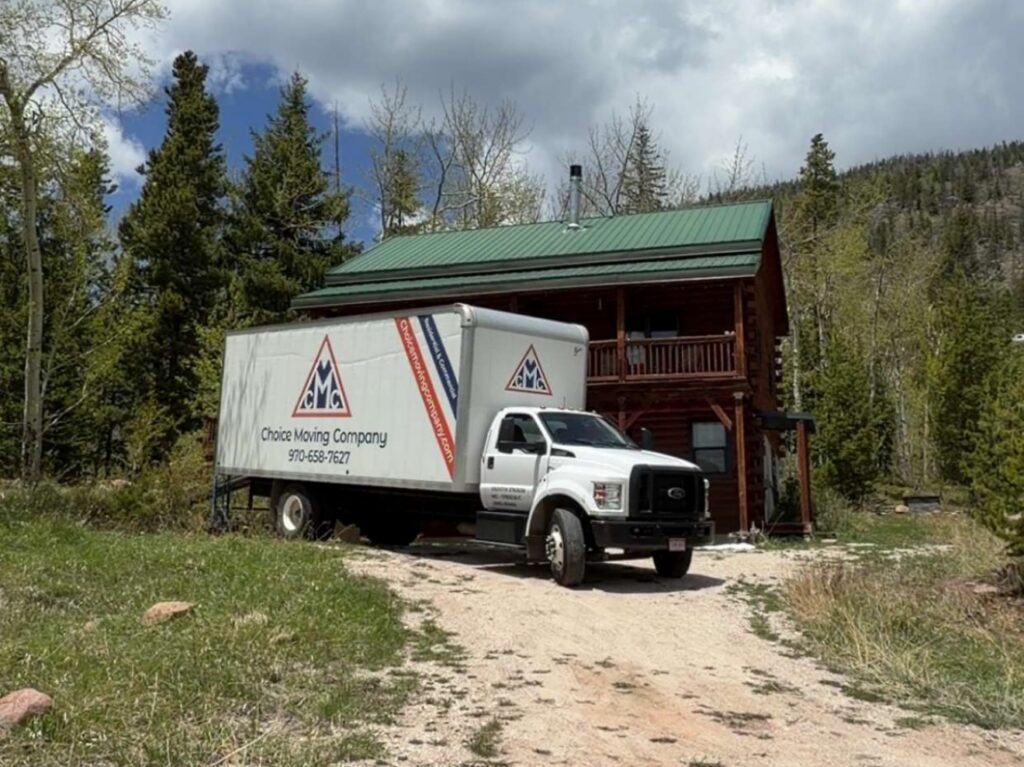
Most people hire a moving company about once every five to seven years and there’s several Fort Collins Movers to choose from. That’s long enough that whatever you learned last time is gone, and long enough that every company’s website starts to look the same.
Meanwhile, moving is one of the few services where you hand strangers the keys to your house, load everything you own onto their truck, and watch it drive away.
Here’s what actually separates a reliable Fort Collins moving company from one that’s going to cost you — the traits worth checking before you sign anything. Why Us
They carry real insurance, and they’ll show you
This is the first thing to ask about and the one most people skip.
A reliable Fort Collins moving company carries liability coverage, cargo coverage, and workers’ compensation for their crews. All three matter for different reasons. Liability covers damage to your property — the gouged drywall, the scratched hardwood. Cargo covers your belongings in transit. Workers’ comp covers the crew, which becomes your problem if a company doesn’t carry it and someone is injured carrying your couch down your stairs.
Ask for a certificate of insurance. An established company will send it over without any friction. Hesitation, deflection, or “we’re covered, don’t worry about it” is your answer.
Then ask the follow-up most people don’t: what does the damage coverage actually pay? Standard basic coverage pays by weight, not by value — often around 60 cents per pound. That’s a few dollars for a broken 65-inch TV. If you have items where that math doesn’t work, ask what upgraded full-value protection costs. A good company will explain the difference plainly instead of hoping you don’t ask.
Their crews are employees, not day labor
This is the single biggest quality difference between moving companies, and almost nobody asks about it.
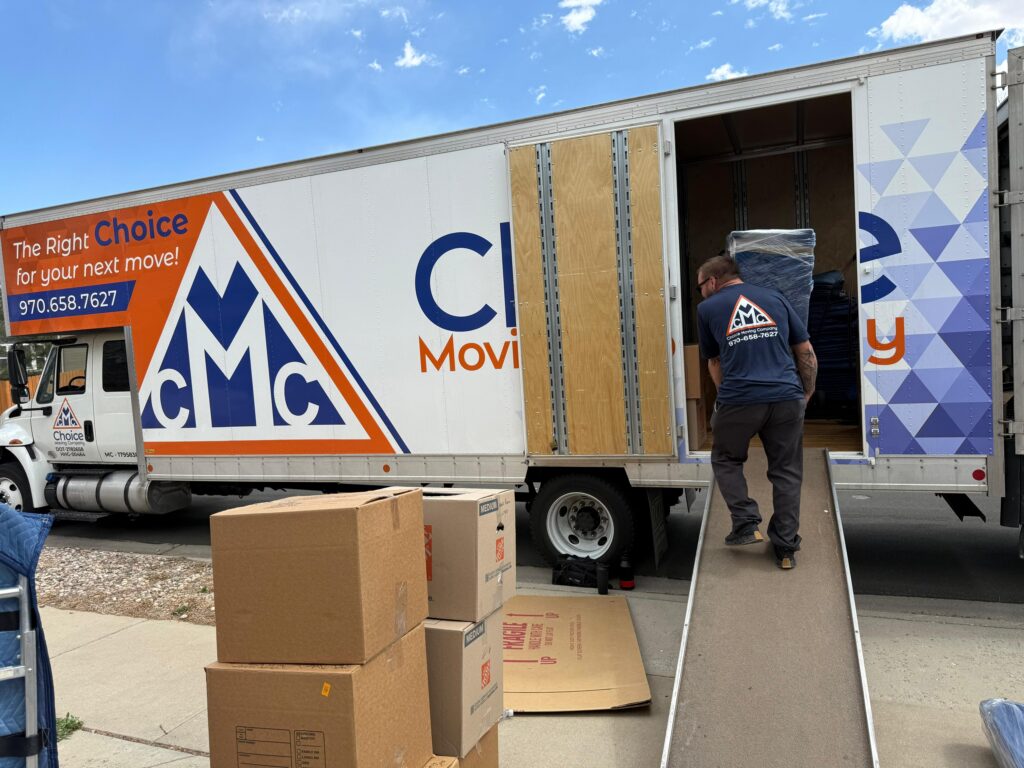
An employee crew has been trained, background-checked, and worked together before. They know how to wrap a dresser, how to carry a load down a turn in a staircase, and how to read each other without talking. They’re also covered by the company’s workers’ comp.
A subcontracted or day-labor crew might be great. It might also be four people who met that morning. You won’t know until they’re in your living room.
Ask directly: are your movers your employees? The answer is easy for a company that invests in its people and awkward for one that doesn’t.
They want to see your stuff before quoting
A number quoted over the phone by someone who hasn’t seen your house is a guess. Guesses get revised upward on moving day, when you have the least leverage and the fewest options.
A reliable mover will want either an in-home walkthrough or a video survey. That’s not a sales tactic — it’s how they assign the right crew size and truck, and it’s how the estimate you sign ends up resembling the invoice you pay.
Watch for whether they ask good questions during it. Stairs? Elevator? How far from the door to the truck? Anything oversized? A crew lead who asks about your access is a crew lead who’s thought about your job.

The estimate is itemized and the add-ons are disclosed
Vague estimates are where moving day surprises come from.
A trustworthy estimate breaks out the hourly rate, the crew size, travel time, materials, and any accessorial charges. It also tells you what could get added — stair carries, long carries from the truck to the door, shuttle fees for tight access, bulky item charges, packing supplies.
Ask outright: what would make this number go up? A company with nothing to hide has a ready answer. A company that says “it’ll be about that” is setting up a conversation you’ll have later, in your driveway, with all your furniture on a truck.
Also worth clarifying whether the estimate is binding or non-binding. Non-binding means the final cost tracks actual hours or weight — that’s normal and often fair. You just want to know which one you signed. Full Service Moving

They communicate before you’re a customer
How a company treats you during the quote is a preview of how they’ll treat you when there’s a problem.
Do they call back when they said they would? Does someone answer the phone, or does everything route to a form? Is there a named point of contact for your move, or a general dispatch line you’ll be calling at 7 a.m. when the truck isn’t there?
Communication quality is the most reliable early indicator of everything else, because it’s the hardest thing to fake and the first thing to slip when a company is stretched thin.
Their reviews show a pattern, not a score
The star average is the least useful part of a review profile.
Read the negative reviews first. Every company with real volume has unhappy customers. What matters is whether the complaints cluster. One rough day is noise. Repeated complaints about surprise charges, no-shows, or unanswered damage claims are signal.
Watch how they respond. A defensive or absent reply to a legitimate complaint is a preview of your own claim experience.
Check more than one platform. Google, the BBB, and Angi surface different customers. Flawless on one and rough on another is worth a closer look.
Weight recent reviews heaviest. Crews turn over. A strong record from three years ago doesn’t guarantee this year’s. Testimonials

They know Fort Collins (Old Town) specifically
Local experience shows up in the details, and the details are what run a move long.
Old Town’s historic blocks come with narrow alleys, tight street parking, and staircases that were not designed with a sectional in mind. The CSU rental cycle makes August the most congested moving window in the city — a crew that works here plans around it instead of discovering it. Newer developments in Timnath, Windsor, and Wellington have HOA rules about truck parking and move-in hours that will derail a day if nobody checked. And Colorado weather does what it does: spring snow, afternoon storms, and wind off the foothills that turns a moving blanket into a sail.
None of this is exotic. It’s just the kind of thing you only learn by working here, and it’s the difference between a crew that adapts and a crew standing in your driveway calling the office.
They’ve been around, and they’re easy to find
A physical address in Fort Collins. A real phone number. A business name attached to actual people. Years in operation you can verify.
Moving is a low-barrier business to enter and an easy one to exit. Companies that have operated in the same community for years have something to lose by doing bad work — and that’s worth more than any promise on a homepage.
Red flags that should end the conversation
- Won’t provide proof of insurance
- A quote over the phone with no walkthrough and no questions asked
- A large deposit demanded up front, especially cash or wire
- No written estimate, or an estimate with a blank total
- A price dramatically below every other bid you’ve gotten
- No physical address listed anywhere
- Pressure to sign immediately or lose your date
That last one is worth sitting with. A company that’s genuinely busy will tell you honestly when their calendar is filling. A company using urgency as a closing tactic is telling you what the rest of the experience will feel like.
Frequently asked questions
What should I ask a Fort Collins moving company before hiring them?
Ask for proof of insurance, whether the crews are employees or subcontractors, what the estimate includes and what could increase it, whether the estimate is binding, and who your point of contact will be on moving day.
Are movers required to be insured?
Reputable moving companies carry liability, cargo, and workers’ compensation coverage. Ask for a certificate of insurance — an established company will provide it without hesitation.
Why do movers want to see my home before giving a price?
Because an accurate quote depends on volume, access, stairs, and distance to the truck. Phone estimates are guesses, and guesses tend to change on moving day.
How far in advance should I book movers in Fort Collins?
Four to six weeks for most residential moves. For late July through August — peak season with the CSU cycle — book six to eight weeks out. The best crews fill up first.
What’s the difference between basic and full-value coverage?
Basic coverage is the standard minimum and pays by weight rather than what an item is worth. Full-value protection costs more and covers repair or replacement. Get the specifics in writing before you decide.
Is the cheapest moving quote usually a good deal?
Rarely. A quote well below every other bid usually means something is missing — insurance, trained crews, or charges that surface later. Compare what’s included, not just the bottom line. Video Quote
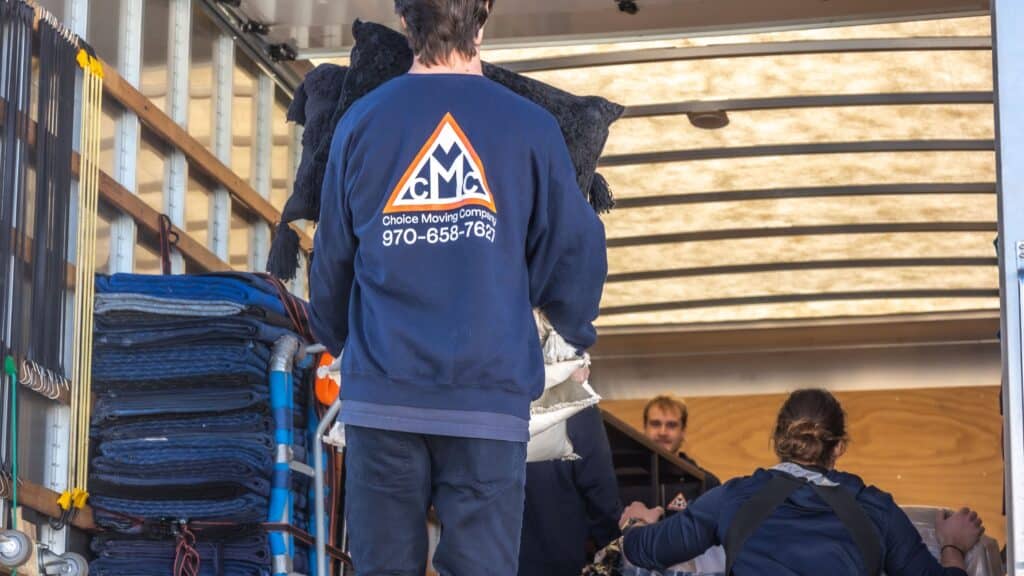
Why Fort Collins homeowners choose Choice Moving Company
We’ve been moving families across Northern Colorado since 2015, out of our Fort Collins location on South Timberline and a second location in Denver. Fully licensed, insured, and bonded. Trained employee crews, not day labor. Free written estimates, and no hidden fees or moving-day add-ons you didn’t agree to.
We also offer discounts for CSU students and employees, educators, seniors, active military and veterans, non-profits, and repeat clients.
If you’re comparing Fort Collins movers right now, get a few quotes and hold each one against the list above. We’re comfortable being evaluated that way. Contact Us